请登陆我们的网站首页  VISIT THE MAIN HomeShop SITE

Posts tagged ‘食物 food’

快来参加五月份的家作坊“家庭聚餐”!

[钟]五月十九日星期天下午[钟] [害羞]
5点——讲座:《自20世纪70年代,美国“反文化”思潮中佛教的流传与繁荣》
6点——晚餐
同时放映90年代电视剧《北京人在纽约》
的最后一集 20元每人,最多30人,预订从速(周五前)!

Please join us this Sunday, May 19th for the May edition of HomeShop’s monthly Potluck!
Schedule:
5 pm—a presentation by Linda Kreger on Buddhism’s reception and flourishing among the “counterculture” and others in America in the 1970s and beyond
6 pm—Dinner served
simultaneous screening of final episodes of 1990s TV series A Beijinger in New York
¥20 donation, limit of 30 people. RSVP by Friday!

日期/时间 date__ 9月7日周日,下午5点 | Friday, 7 September, 17:00
地点 location__ 家作坊 HomeShop

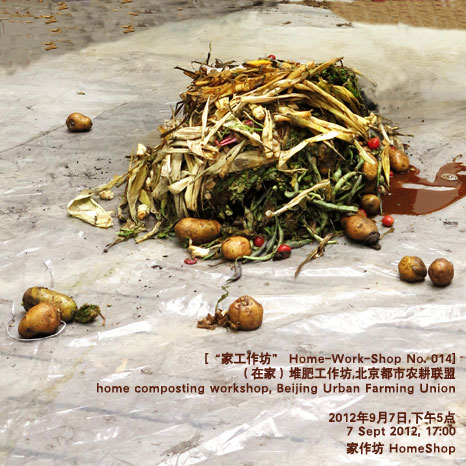
(在家)堆肥工作坊,北京都市农耕联盟

第一次北京都市农耕联盟的活动反响不错,大家都表示要继续开展一系列的工作坊和会议来继续学习如何在城市内种植。第一步当然是土壤,但是如何获得土壤和有机肥料在城市里一直是个难题;而同时,周围的填埋场63%填埋的却是厨余垃圾,在污染环境。所以,厨余堆肥毫无疑问是都市农耕的优先行动之首。

2012年9月7日下午5点,也就是本周五下午5点,我们很荣幸的邀请到一位很特别的专家来分享户用厨余堆肥技术,她是来自日本旅居柏林的艺术家、园艺师Ayumi Matsuzaka。在过去几年中,Ayumi Matsuzaka在全世界推介她在食物,废弃物及自然循环方面的知识。最近她也参加了在伊比利亚当代艺术中心的“改变的力量!美学与可持续性的探索”系列活动。如果你错过了她在伊比利亚当代艺术中心的活动,人生将在家作坊给你第二次机会,不容再次错过哦!

我们将会了解有关在柏林的都市农耕运动,重点学习这种适用于公寓、阳台或者楼顶的小规模无臭味的堆肥方法。如果你有一个有盖的桶或者箱子(不超过40L),你可以带来参加这个工作坊,之后就可以带着属于你的“启动工具包”回家!

请提前注册,我们好准备相应的材料。谢谢!

Beijing Urban Farming Union: home composting workshop

The first Beijing Urban Farming Union event has met with great interest and we vowed to continue a series of workshops and meetings to learn about growing food in the city. It all begins with the soil, but accessing soil and organic nutrients has proven to be a problem in the city; meanwhile, the dumpsites are still filled with 63% kitchen waste, polluting the environment. So practical solutions for home composting are at the top of the priority list.

This Friday (7 September 2012) at 5pm, we will have the pleasure to learn a proven home composting method from a very distinguished specialist. Ayumi Matsuzaka is a japanese artist and gardener living in Berlin; she has travelled the world spreading her knowledge on food, waste, and natural cycles for several years; in Beijing she also takes part of the sustainability/art series “Examples to Follow” at Iberia Art center. For those who couldn’t meet her there, life gives you a second chance at HomeShop. Don’t miss it!

We will learn about the urban gardening movement in Berlin and focus on a small-scale non-smelly composting method for your apartment/balcony/rooftop. If you have a used bucket or box with a lid (up to 40 liters), you can bring it to the workshop and take home your starter kit.

Please register in advance for us to prepare the materials.

价格 cost__ 20元

报名请联系 please rsvp__ lianxi@homeshop.org.cn

日历餐厅 Calendar Restaurant__ 七夕餐  7-threaded dinner
日期/时间 date__ 8月24日周五,晚上6点 | Friday, 24 August, 18:00
地点 location__ 家作坊 HomeShop

要预约 Reservation required

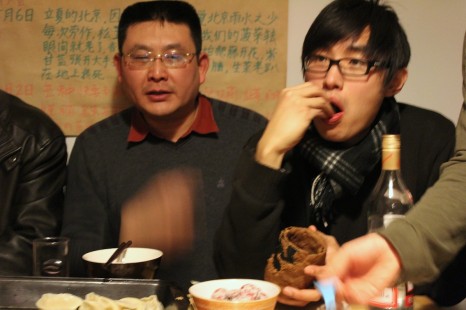
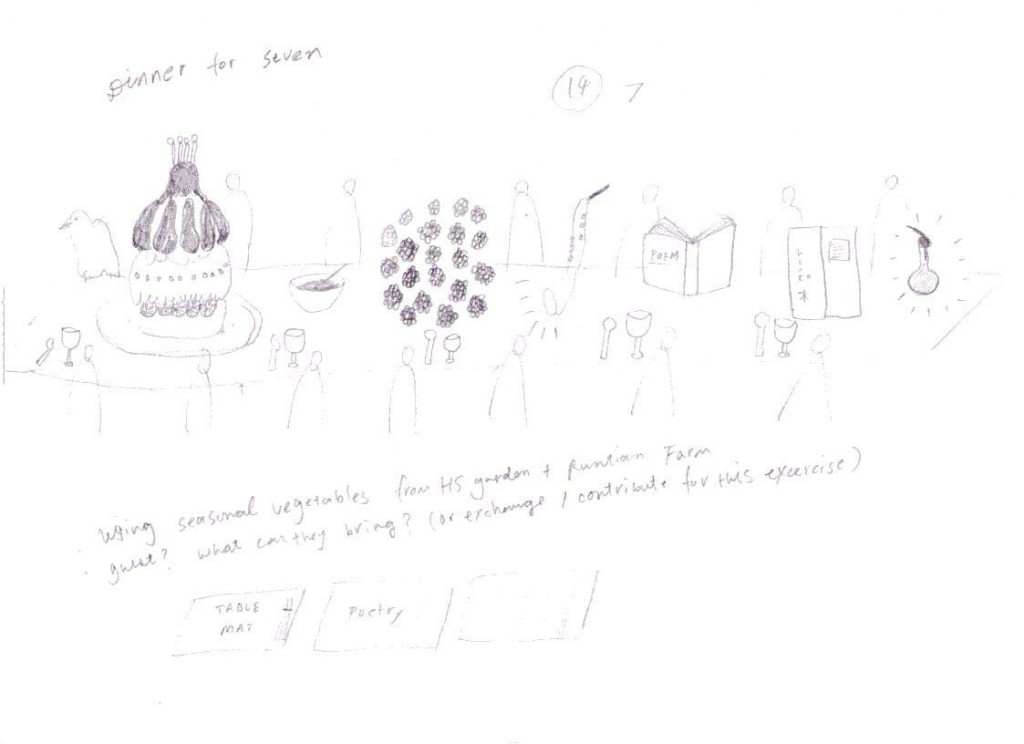
August 23rd is the 処暑 (Chǔshǔ) in 24 solar terms of Chinese calendar and known as the summer heat is decline. In solar calendar, it is July 7th; the day of well-known myth in China and Eastern Asian Country about the lover: princess and cow keeper could meet up on the sky with milky way only on this day. Calendar Restaurant invites 7 chefs that provide an evening for the 7 guests. We will explore our experience of Love (human kinds to romantic to friendship) with 7 dishes with sense of taste (Umami, Sour, Afrodiziack, Bitter, Salty, Hot, Sweet), 7 feelings, 7 music and 7 colors. Seasonal vegetables are also participating from HomeShop rooftop garden and Runtian Farm.

参 加厨师 Participating chefs__ 老羊 Lao Yang, 高灵 Gao Ling, 刘畅 Liu Chang, 马艾迪 Michael Eddy, Fotini Lazaridou-Hatzigoga, Pilar Escuder, Petra Johnson
诗歌朗诵 Poetry reading__ 王尘尘 Wang Chen Chen

组织 日历餐厅 Calendar Restaurant by__ 植村絵美 Emi UEMURA and 方丹敏 Barbara FANG


支持 Supported by__ 家作坊 HomeShop, 潤田农园 Runtian Farm
价格 cost__  50元


日历餐厅介绍 About Calendar Restaurant__
日 历餐 厅是在种植季节期间每月开放一次的餐厅。它始于2010年7月至10月的一个艺术项目。自 2011年种植季节起,我们希望在日常生活和植物生长的时间表(这也是日历的来历)下探索这种实践。在日历餐厅,消费者变成厨师, 从我们的田园中采摘新鲜蔬菜, 并分享各自的经验。一起做好饭后, 大家围坐在一起,还会讨论一些更复杂的话题:健康、食品安全、社会、政治、天 气、中医、老北京烹饪、食物设计和储存-当然,这些看上去严肃的讨论并不会影响我们品尝美味。2011年我们的种植场地由小毛驴农场赞助,日历餐厅由家作 坊支持、2012年我们的种植场地由 潤田農園赞助,日历餐厅由家作坊支持。


Calendar Restaurant is a restaurant that opens once every month during the course of the farming season. It was initiated within the context of an art project from July to October, 2010. When farming started in 2011, we simply wanted to explore this practice within the framework of daily life and timeline of vegetables’ growth (that is where the calendar originates). In this restaurant, customers become cooks, working with fresh vegetables from our garden and sharing stories of their experiences. Once food is ready we sit together at one big table to discuss complex food issues: health, food safety, social systems, politics, weather, Chinese medicine, old Beijing cooking, food design and preservation ― but not to the point of making the taste muddy! This year our farm plot is supported by Runtian Farm and the restaurant is supported by HomeShop.

______

“七线餐”由家作坊组办,是家作坊和“与我行走”项目合作的第二个活动。 “与我同行”由德国艺术家Petra JOHNSON发起,将于2012-2013年期间在科隆和北京同时进行。“与我行走”项目得到北京德国文化中心·歌德学院(中国)和德国科隆市支持。
Organized by HomeShop, 7-threaded dinner is the second installment in a cooperation between HomeShop and Walk with Me, a project initiated by Petra JOHNSON, to be realized throughout 2012 and 2013, between Cologne and Beijing. Walk with Me is kindly supported by the Goethe-Institut Beijing and the city of Cologne.

The Life of Postmodern Tanghulu

时间 date/time__2012 年5月12日,周六下午2点起
                        Saturday, May 12, from 14.00
地点 location__家作坊 HomeShop,东城区交道口北二条8号 [地图]
                    Dongcheng District, Jiaodaokou Beiertiao 8 [map]

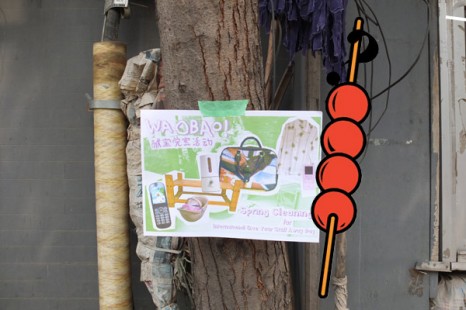
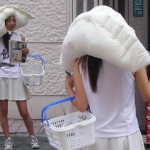
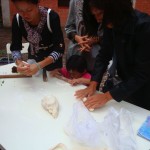
5月12号的WaoBao!献宝兑宝活动中,你还可以跟交道口北二条糖葫芦世家学习如何制作糖葫芦然后用你的处女作和别人交换。
用你的现代意识加上传统的制作工艺,一起打造北京传统甜点零食-糖葫芦的后现代生活。
实验范围从传统食材山楂到大胆的狮子头,囊括所有球形食材,最后我们会让它们都成为糖葫芦!(如果你想让自己的初体验作品更加特别一些,你也可以带一些你认为好玩的球形食物和我们交换)

As part of Saturday’s WaoBao! Spring Cleaning swap meet on the 12th, we’ve invited the oldest family on our block to teach us how to update a Cultural Revolution old recipe for making candied fruits on sticks, the old Beijing sweet of choice. Experiment with various ball-shaped edibles, from the classic 山楂 hawthorn to the risky 狮子头 lion’s head minced meatball. Bring your leftovers from the fridge to tanghulu-ify, or trade for our finished pieces! All will be available for trade and bargaining along with all the other goodies on site.


传说_The legend of tanghulu
南宋绍熙年间,宋光宗最喜爱的皇贵妃病了,她面黄肌瘦,不思饮食。御医用了许多名贵药品,医治无果。宋光宗只好张榜招医。有一位江湖郎中揭榜进宫。为其诊脉 后,开出山楂和红糖。一起煮即食。每次3-5粒。半月黄贵妃病愈。后此法传入民间。酸、脆、香甜的沾山楂法流传至今。
During the splendid reign of the Southern Song dynasty, the favourite concubine of emperor SONG Guangzong fell ill and could not eat, making her emaciated and haggard. Imperial doctors tried all sorts of expensive cures to no avail, so SONG put forth an open call seeking medical help. One traveling doctor managed to enter the court to see the concubine, and after taking her pulse, he prescribed her a cure of hawthorn and brown sugar to be cooked together and eaten. Half a month later the concubine was healed, and ever since then, the recipe became a favourite of the people. Sour and crisp yet fragrantly sweet, this miracle method of preparing hawthorn has lasted until today.

宋氏家族介绍_About the SONG family
位于交道口北二条一号在解放前由宋氏人家小手工经营几年。公私合营后停业。80年代改革开放开始后,恢复经营。品种有大小山楂、山药、橘子、黑枣、香蕉等数多种。每日万余串送往故宫、王府井、东单、西单、前门等地。深受老北京市民欢迎喜爱。
Before the founding of the People’s Republic, the SONG family of Jiaodaokou Beiertiao 1 was already involved in a small homemade tanghulu workshop for several years. With private businesses suspended during the Cultural Revolution, they stopped until finally during the reform and opening-up of the 80s, the family business was able to be picked up again. During its peak, the SONG’s tanghulu (including hawthorn, Chinese yam, tangerine, smoked jujube, banana and many other varieties) satisfied the cravings of many old Beijingers and were delivered all over the city to locations such as the imperial palace, Wangfujing, Dongdan and Qianmen.

_____

“糖葫芦的后现代生活”工作坊又Carrot Design工作室与家作坊的何颖雅发起。WaoBao!献宝兑宝活动由Michael EDDY、何颖雅、Fotini LAZARIDOU-HATZIGOGA和曲一箴(家作坊)与林苏葳(ClearWorld Media)发起并组织.
The “Life of Postmodern Tanghulu” workshop is co-hosted by Been from Carrot Design and Elaine W. HO from HomeShop. WaoBao! Spring Cleaning is organised by Suvi RAUTIO (ClearWorld Media) with Michael EDDY, Elaine W. HO, Fotini LAZARIDOU-HATZIGOGA and Twist QU (HomeShop).


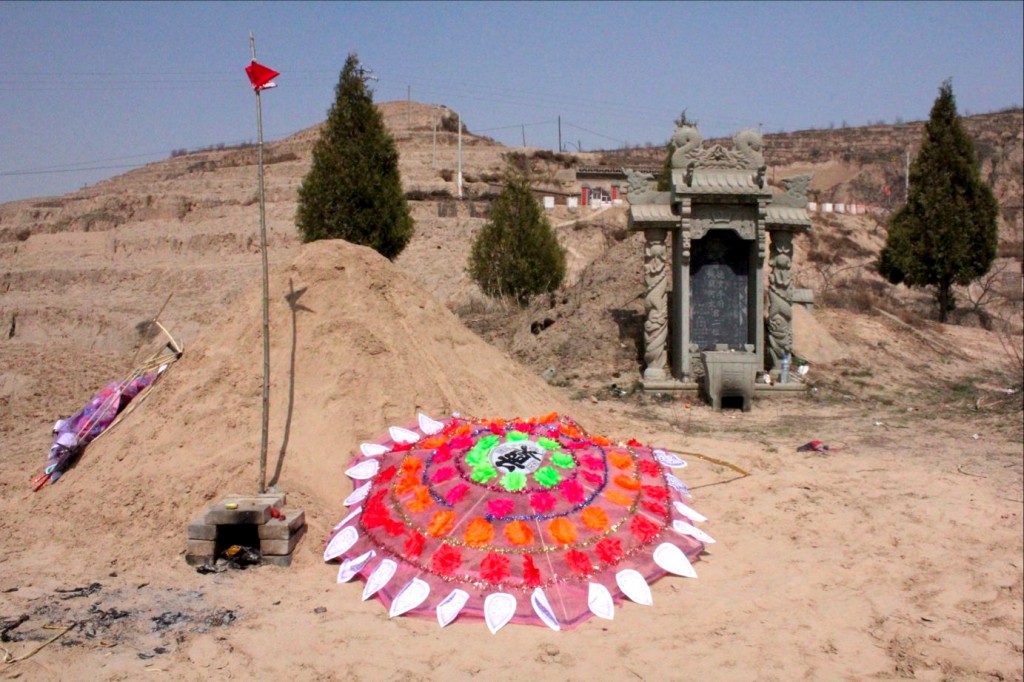
让先人给让先人给我们指点迷津 Let’s get some help from the Dead

日期 date:  2012年4月4日(清明),星期三下午二点 / Wed 4 April (Tomb sweeping day) 2012, 14:00

地点 location: 家作坊 HomeShop[地图 / map

用费 cost: 44

人 类的延续,就是生命一个个轮回交替,为生者死,为死者生。今年我们会设计一个人形种植园(一直到5月20日),这象征着人的身体与自然的物质转换与平衡。 中国传统的清明节祭扫,会用各种食物祭奠先人,因此我们还尝试恢复清明节中另一个重要的部分——寒食节,因此今年我们除了会焚烧一些特殊的纸钱,还欢迎大 家来这里跟我们一起吃冷食过节。

For human survival, we receive other’s life for maintain our own life. Today is the perfect day to appreciate their work on food production even after the loss of life. We will design the body sized garden (continued on 5月 20日) burning giant building and eating cold food to celebrate together with the dead.

organized by 植村絵美 Emi UEMURA, 方丹敏 Barbara FANG and Michael EDDY


日历餐厅介绍 About Calendar Restaurant:

日历餐厅是在种植季节期间每月开放一次的餐厅。它始于2010年7月至10月的一个艺术项目。自 2011年种植季节起,我们希望在日常生活和植物生长的时间表(这也是日历的来历)下探索这种实践。在日历餐厅,消费者变成厨师, 从我们的田园中采摘新鲜蔬菜, 并分享各自的经验。一起做好饭后, 大家围坐在一起,还会讨论一些更复杂的话题:健康、食品安全、社会、政治、天 气、中医、老北京烹饪、食物设计和储存-当然,这些看上去严肃的讨论并不会影响我们品尝美味。2011年我们的种植场地由小毛驴农场赞助,日历餐厅由家作坊支持、2012年我们的种植场地由 潤田農園赞助,日历餐厅由家作坊支持。
 
Calendar Restaurant is a restaurant that opens once every month during the course of the farming season. It was initiated within the context of an art project from July to October, 2010. When farming started in 2011, we simply wanted to explore this practice within the framework of daily life and timeline of vegetables’ growth (that is where the calendar originates). In this restaurant, customers become cooks, working with fresh vegetables from our garden and sharing stories of their experiences. Once food is ready we sit together at one big table to discuss complex food issues: health, food safety, social systems, politics, weather, Chinese medicine, old Beijing cooking, food design and preservation ― but not to the point of making the taste muddy! This year our farm plot is supported by Runtian Farm and the restaurant is supported by HomeShop. Calendar Restaurant is organized by 植村絵美  Emi UEMURA and 方丹敏 Barbara FANG

日历餐厅 时间表 春夏 2012 Spring Summer Calendar Restaurant Schedule

3月20日(春分)开始農耕 Start farming
4月4日 星期二(清明)让我们为先人做点什么 Let’s Get some help from the dead
5月6日 星期天 (立夏)日历餐厅开放日Calendar Restaurant Open
5月20日 星期天 (小満) 想得瓜就种瓜,想得豆就种豆  Planting seeds for your wishes
6月2日 星期六 (芒种)儿童乐园 Child land
6月23日星期六(夏至)传统中医食物  Chinese Medicinal Food
7月休 holiday
8月5日(立秋)星期天 日历餐厅研究计划 Calendar Restaurant Research Trip
8月24日(七夕)星期五 情人餐 Dinner for Love

by Orianna Cacchione

For the next meeting of the Happy Friends Reading Club, scheduled for 3pm on Sunday, November 27th at HomeShop, we are reading two short texts, “On Potentiality” by Giorgio Agamben (2000) and “Time, Acceleration and Violence” by Franco Berardi aka Bifo (2011). Please inquire to receive texts.

For those who are interested, immediately preceding this meeting will be an edition of “Brunch Club,” (more info to follow) and hopefully some overlap will occur… but potentiality in cooking doesn’t mean you’ll go hungry!

为了庆祝这周末的万圣节,“晚餐俱乐部”暂时变成“早午餐俱乐部”啦

BOO! To celebrate Halloween weekend, Dinner Club is dressing up as Brunch Club!

来和我们一起享受一顿自家的秋日早午餐!10月30日周日11:00-14:00,家作坊不见不散!
Please join us for a Fall inspired, homemade brunch on Sunday October 30 from 11 until 2 at HomeShop.

菜单中的食材全部为有机蔬菜,其中一些是绘美从润田农场新鲜采摘回来的,一些是从北京有机农夫市集中认真挑选的。当然,咖啡和鸡尾酒也是必不可少的!
Our menu is conceived around organic vegetables either freshly picked by Emi at RunTian Farm or carefully selected at the Country Fair, Beijing’s farmers market. And of course, there will be coffee and cocktails!

菜单 Menu

  • 咖喱胡萝卜和鲜梨沙拉
    Curried Carrot and Pear Salad
  • 绿植奶酪煎蛋饼 Greens and Cheese Frittata
    (土鸡蛋,奶酪,深秋绿植烤面包 Local, free-range eggs, Le Fromager du Pekin cheese, late Fall greens baked with bread)
  • 南瓜油炸馅饼 Pumpkin Fritters
    (既提供加醋与自制腌菜的日式风格也提供加酸乳酪的美式风格 Served both Japanese-style with vinegar and housemade pickles and American-style with sour cream)
  • 苹果咖啡蛋糕 Apple Coffee Cake
  • 红葡萄酒巧克力蛋糕 Red Wine Chocolate Cake


价格调整 Prix Fixe, 100 RMB/人
  • 咖啡 Coffee, 20 RMB
  • 血玛莉酒 Bloody Mary, 40 RMB
  • 密莫萨酒 Mimosa, 40 RMB


—–

交道口北二条胡同8号 [地图]
HomeShop is located at Jiaodaokou Beiertiao No. 8 [link to MAP]

Please RSVP!

请于10月29日下午两点前邮件预订。
Please make a reservation by 2:00 p.m. on Saturday, October 29 by e-mail.

Visibility/publicity……….可见性/公共性
Michael EDDY (问题/questions) & 麦颠 MAI Dian (回复/responses)………[节选/excerpt

Does the way in which we live have to be visualized? Of course not; but it seems that visibility is an important part of both art and activism.

How do both art and activism approach a public?

我们生活的方式必须被显现出来吗?当然不是;但是可见性似乎对艺术和行动主义都很重要?
艺术和行动主义如何走近公众?

我相信,传递欲求很普遍地发生在几乎每个人身上。行动主义,即便是最个人主义、无政府主义,更愿意实现一种与他人心灵感应的人也期望得到同情。这从无政府主义的自我独立表达的小册子和独立媒体可以看出来,无论其所能涉及的“公共范围”有多大。而对于其他政治色谱的大多数运动者而言,社会动员是重要手段,动员公众的支持与参与非常重要,相应的,媒体对其而言总是重要,尤其来自大众媒体的报道。假如我们将“上访”看作是一种具有中国特色的行动主义,我们就可以看到,这样的行动多么依赖于媒体,以至于将记者或知名人士/意见人士看作是人士的救命稻草,希望它们的报道与发言能够形成一种社会压力,因为,对于他们而言,这是一种可以将自己的“冤情”传达到清廉的上层的特殊途径。

同时,我想,绝对“自言自语”的艺术几乎是不存在的。一个艺术家在工作室里进行文本图像声音创作时可以在某种程度上看作是“自言自语”,但一旦作品出了工作室,那它就不得不面对公众---不管其所面对的公众数量与范围有多大。这个时候,作品甚至都“不再属于艺术家本人”了。宫廷艺术家为皇帝服务,宗教艺术家为上帝服务,那么现在呢?中国的艺术家大部分为市场服务,或者为一个值得怀疑的所谓集体名词“消费者”服务。最新的一期《新周刊》的封面主题便是艺术的“兑现主义”。这个过程中,艺术不仅不避讳,反而使劲浑身解数,要俘获“大众”:物的艺术化,艺术的物化,去政治化,“创意”产业化。

即便是一种所谓的激进的政治艺术,大家也没有想过避免大众,相反,他们也在以自己的方式解释“为人民服务”, 比如戈达尔。东湖艺术计划的被发起的目的,是因为寻求在主流媒体与本地媒体被审查的新闻与事实,能够藉由另一种语言与信息通道—艺术的语言---从审查里挣脱出来。这个信息会发散到什么程度,不会有人保证,因为艺术毕竟在某种程度上“特殊的语言”。计划的发起人之一李巨川是戈达尔的爱好者,另外一个发起人李郁也是戈达尔的爱好者。李郁自己的摄影作品,是通过对新闻再现(news representation )的再现(representation of the news representation) 来试图反诘主流的媒体话语。他将类似的手法应用了东湖艺术作品中。对地图再现的再现(representation of map representation),不仅历史和媒体说谎,地图----在某种程度上拥有科学的威严---同样也在说谎。那么,这种通过画面(照片+装置)展现出来的的艺术语言,会在哪些媒介上,被哪些人所接受?事实是,艺术媒体或者研讨会,讨论会。而接收者大多数是接受过专业艺术训练或者有所阅读的业余爱好者。艺术所能影响到的,可能只是一个“公众”集合中的少数人(甚至这些人具有某种专业主义倾向),更加无奈的现实是,艺术所关注的事件的直接“当事人”,比如,失地的农民,明确地告诉我们“看不懂”。

当然,看不懂的,不仅仅是艺术,即便是“我的东湖”网站上的文章(试图从各个方面去论证开发的不合理性,并揭露开放过程的野蛮性,暴力性,反民主性等等),农民也表示看不懂。所以,艺术和行动主义在如何接近“公众”的问题,面临着许多我们所谓的沟通的障碍。这沟通的障碍,不仅仅是“语言”与“言语”的问题,也与价值观、直接性、以及大家对一个“复合”问题的关注点的差异相关。对于农民而言,他们需要直接的语言,也依赖于一种最简洁的逻辑:“地被夺了,需要赔偿,赔偿需合理”(且“和平”)。

而艺术和行动主义的焦点,大多数则在“规划民主”,“环境保护”。这里存在一个巨大的断裂带:多数农民并不愿意继续耕种,保存其土地,只是希望赔偿更合理。而环保,则希望保存耕地/渔场与湿地,农民的补偿问题被弃置一边。关于“公共空间”的争论,焦点集中于“民主”,并不是“公共空间”是一个什么样的空间:公园与湿地,哪一个更“公共”?因此,艺术在这里的问题是,究竟它是进入了一个所谓的“事实”,或只是将一个“事实”作为一个政治观点的现实证据?

等等。

行动主义和艺术在某种程度上都是对媒体开放的。这是往往其通向公众的一条重要途径。当然,这里面有很多的问题会在现实中分裂出来。

Do we need to produce things—models, discourses, trains of thought, if not outright objects—because of this program of visibility?

我们需要因为可见性的要求而制造些什么东西吗?即便不是有形的东西---如榜样,研讨会,思想训练等?

是否需要? 回想起过去的一些经验,我的问题可能不在于是否“需要”, 而是“如何”传递以及传递“什么”信息----既然传递欲望是不可避免的,且现实中,我们也未曾“一概”避免。而且,这只是我们一厢情愿,从我们的角度来看这个问题。另一厢,Visibility/publicity本身也包括了其他的面向:visibility,除了所谓的亲密关系的范围,以及个人以DIY伦理自我表达,若是要面对所谓的大众媒体(无论是官方媒体还是商业媒体。中国并没有真正意义上的“公共媒体”---所以不便加以评论),那么它的“可见性/公共性”的生产机制是什么? 大众媒体出于什么动机要报道和传递“this program”? (某)艺术又如何籍此扩展其范围?其意义是如何发生外溢的?这个过程当中是一个“有选择的过程”,其结果是选择后有特定导向的结果吗?它是抱着“启蒙”的目的?或满足一种“满足与快感”的需求,还是其中包含着两者兼有的一种所谓的曲折的策略?也许,这需要细致且谨慎地考察媒体的话语生产。

那这所谓的visibility又是怎样出来的?是因为distinguishability?比如,我们这里所关注的“食物”,就其生产方面而言,它是否提供了一种对当前食物生产模式与安全危机的替代方式,甚至是现阶段一个可靠的an alternative to instead of capitalism for the future? 或者,它只是中产阶级的休闲方式,其意义和“农家餐馆”甚至“高尔夫球场”,旅游胜地并没有根本区别,它是新的fashion(就像记者总是以为的“时尚达人”,或者,通过“时尚达人”才能报道----政治是要避免的)?

那么,这个program是怎么样被看的(how is it seen by the others, including media?) 如果你拒绝开放你的园子,另当别论。但如果你开放,那么你的生活(或者说实验)会如何被他人所解读,所阐释?你的实验可能的结果,常常被他人输入另一套(或者多套)话语模式,是不是?怎么来处理这样一种局面---当误读(misrepresentation, 且不说ignorance)?当然,这里需要往前追溯一下,即,在出发点,你打算想将你的生活方式当作一个开放的艺术品,放弃意义的所有权,对所有人开放?还是打算我应该说出我自己所想的(因为你已经在做你自己想做的)?完全的开放,可能会有危险,即所谓的“收编”。比如,被一家以lifestyle为主的媒体将你并置在咖啡馆、购物广场、美食以及美甲店或者创业成功案例的页面之间时,你的感觉是怎样的?

按照结构主义的逻辑,如果你自己不说话,那么,社会结构就会替你说话。

++++++

Does the way in which we live have to be visualized? Of course not; but it seems that visibility is an important part of both art and activism.

How do both art and activism approach a public?

I believe the desire to transmit occurs in everyone. As regards activism, even the most individualistic anarchist or the individual preferring spiritual connection long for sympathy from others. This is reflected in self-expressive anarchist brochures and independent media, regardless how large its public sphere extends. Yet for other social movement actors, social propaganda is a crucial tool, as the participation and support of the public is important, correspondence with media likewise, and especially reports from the mass media.

Viewing petitioning as a form of "activism with Chinese characteristics," we see how much these actions rely on media. To the degree that reporters and opinion-makers become the saving straw for petitioners, hoping reporting and giving-voice can form and inform social pressure. For them this is an exceptional way of transmitting their "grievances" to the uncorrupted political upper classes.

Meanwhile an art characterized by absolute auto-discourse doesn't exist. An artist working with text, images, sound in own his or her studio can be viewed as one involved in an auto-discourse. But once the work leaves the studio then it must face the public, again, regardless of the number or extent reached, which is out of control. The work no longer belongs just to the artist. Court artists served the emperor, religious artists serve god, and the majority of Chinese artists now serve the market, or some dubious "consumer," an abstract collective. The newest edition of News Weekly consequently featured art's "contractual fulfillment" on its cover. In this process, not only does art shun the taboo of the mass, on the contrary, it tries with all its might to enslave the mass: the artification of the object and the objectification of art.  De-politicization and innovative industrializing.

Even in so-called radical political art, artists don't think about avoiding the public/mass. On contrary, they are defining "serving the people" in their own ways, for example Godard. The purpose of East Lake Project was focused on the liberation of censored contents through a different language and information channel, namely the language of art. The extent to which this information will circulate, no one will know, because art to a certain degree is a special discourse. One of the East Lake Project initiators, LI Ju Quan is a Godard fan, as is the co-initiator LI Yu, whose own photo work involves the subversion of mainstream media discourses through "representation of the news representation." Employing similar means for East Lake Project, concerning "representation of the map representation," showing not only history and media are lying, but also the map, which assumes the authority of science. Therefore, this art language manifests through image: what kind of media/people will find this language acceptable? In this case, photo + installation. The fact is those who accept these are art media, symposiums, seminars, workshops, in other words circulating within its own sphere. The majority of recipients received professional art training or make up amateur art readerships. Interested population more likely limited to a minority of the public. These people might have an inclination to professionalism. More disheartening are the responses of the protagonists of those events that this kind of art concentrates on, for instance the farmers who lost their land, who unambiguously and emphatically tell us they don't understand.

Of course art isn't the only incomprehensible thing. The articles on "My Donghu" website [wmddh.net; currently inactive] are just as incomprehensible: trying to demonstrate irrationality of the project from different angles, to reveal barbarism, violence, antidemocratic tendencies within the area’s development. So the question how art + activism approach the public while facing a so-called communication barrier is not only a matter of discourse and language but also of the value standards, immediacy and difference intrinsic to people’s opinions concerning a compact issue. The farmers, they need direct language, and the simplest logic: land is taken away, compensation is needed, such compensation should be just (also in a peaceful manner).

Yet the focus of art and activism in the main is concerned with regulative democracy/environmental protection (ie. the bigger issues), and here exists a big gap with the farmers. Most of the latter do not want to keep farming, and preserving the land is only a means or way to bargain for more compensation. Those who commit to environmental protection want to preserve arable land/ fisheries/wetlands and therefore the problem of compensation is suspended. The debate concerning “public space” is focused on democracy, not on the question of what kind of space is the public: parks and wetlands, which one is more public? Therefore the problems for art to investigate are whether art itself has become a “fact” or whether it is just using a fact as evidence for a political view. Activism and art are to a certain degree open to the media; this is a crucial path to reach the public. Of course, many singular problems will multiply into a plethora in reality.

Do we need to produce things—models, discourses, trains of thought, if not outright objects—because of this program of visibility?

Do we need it? Let’s recollect past experiences. Our problem may not lie in whether such undertakings are needed, rather the how of transmission and its what. Since the desire of transmission is inevitable, in reality we have not altogether avoided it. Furthermore, this is just our wishful thinking. On the other hand, visibility, publicity themselves have other facets. Visibility—other than its so-called sphere of intimate relations and the self-expression through DIY—if they are to face so-called mass media, what would their production organism be? What would their visibility/publicity production mechanism be? (note: If they are to face so-called mass media, be it official or commercial, China does not have “public media” in a true sense, so we can’t comment much about that.) Out of what motive would mass media report and transmit “this program”? How can a certain art extend its sphere of influence through this, how can its significance exceed its boundaries? Of course, there is a process one could choose, yet the result is the outcome of specific channeling (manipulation). Does it possess a goal of enlightenment or satisfy a demand of fulfillment and pleasure, or maybe it is a roundabout strategy that incorporates both. Perhaps this demands a meticulous and conscious investigation of how media produces discourse. How does this visibility come about, is it because of distinguishability? For example, the food we are concerned with here, in terms of its production, has it produced an alternative for the prevalent mode of production and its consequent safety crisis? Or is it just a reliable alternative, or a form of recreation for the bourgeoisie—then its significance at bottom is not so different from “farmers’ restaurants,” and even golf courses, and other tourist sites. It is  the new fashion (which has little to do with politics).

How is it seen by others, including the media, if you refuse to open up your garden, is a different issue, but if you do, your life or experiment will be interpreted/defined by others. The result of the experiment will often be imported into another mode of discourse, no? How do you solve this state of misrepresentation let alone ignorance? Of course, we must backtrack a little, to the the point of departure, which is the question: do you want your lifestyle to be an open work of art? Thus relinquishing your authority over its meaning, or do you want to do just as you think (because you are already doing what you want to do). Absolute openness can be dangerous, danger lies in being subsumed/coopted. For example, when media who features lifestyle puts you side-by-side with coffee shops, shopping malls, cuisine and nail salons, and other cases of entrepreneurial undertakings, how does that make you feel?

According to structuralist logic, if you do not speak, then the social structure will speak for you.